

US moves to scrap H-1B grace period
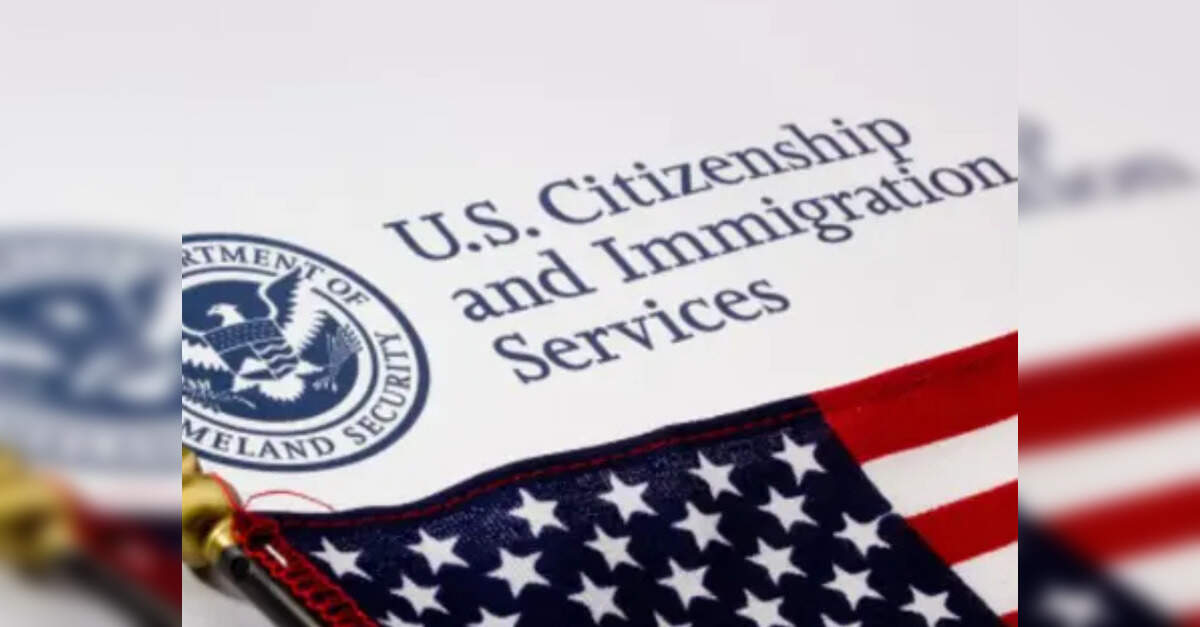
The Trump administration has completed its review of a proposal to eliminate the discretionary 60-day grace period for H-1B and other foreign professionals after job loss. The Department of Homeland Security submitted the proposal on August 6, and the White House review concluded on August 27 with the action listed as 'Consistent with Change'. The proposal has not yet been published, so the existing 60-day protection remains in force. If implemented, it would affect thousands of Indian tech workers, who constitute the largest group of H-1B beneficiaries, forcing them to find new sponsorship or leave the US almost immediately after termination. Key signal: The White House review concluded on August 27 with the action listed as 'Consistent with Change', clearing the way for publication of the proposed rule to eliminate the 60-day grace period for H-1B and other visa holders. For hiring leaders, this matters because for Indian IT services firms, GCCs, and product companies, this is a critical talent mobility risk. The 60-day grace period is a safety net that allows H-1B workers to switch employers after a layoff. Removing it would increase the risk of forced repatriation, disrupt ongoing projects, and make Indian tech professionals more hesitant to accept US-based roles. It could also drive a shift in hiring strategies, with companies preferring to hire locally in India or in other geographies to avoid immigration uncertainty. Talent leaders must prepare contingency plans for employees on H-1B visas and reassess global mobility policies. Teksands view: This is a classic case of policy catching up with reality. The 60-day window was already tight for a market where interview cycles take months. Scrapping it entirely would be a disaster for Indian tech talent and the companies that rely on them. But let's be real: the proposal is not law yet. There's a Federal Register publication, a comment period, and a final rule ahead. Smart employers will use this window to lobby against it, while also building more resilient workforce plans that don't hinge on a single visa category. If you have H-1B employees, start scenario planning now.
Key fact
The White House review concluded on August 27 with the action listed as 'Consistent with Change', clearing the way for publication of the proposed rule to eliminate the 60-day grace period for H-1B and other visa holders.
Why it matters
For Indian IT services firms, GCCs, and product companies, this is a critical talent mobility risk. The 60-day grace period is a safety net that allows H-1B workers to switch employers after a layoff. Removing it would increase the risk of forced repatriation, disrupt ongoing projects, and make Indian tech professionals more hesitant to accept US-based roles. It could also drive a shift in hiring strategies, with companies preferring to hire locally in India or in other geographies to avoid immigration uncertainty. Talent leaders must prepare contingency plans for employees on H-1B visas and reassess global mobility policies.
The Teksands point of view
This is a classic case of policy catching up with reality. The 60-day window was already tight for a market where interview cycles take months. Scrapping it entirely would be a disaster for Indian tech talent and the companies that rely on them. But let's be real: the proposal is not law yet. There's a Federal Register publication, a comment period, and a final rule ahead. Smart employers will use this window to lobby against it, while also building more resilient workforce plans that don't hinge on a single visa category. If you have H-1B employees, start scenario planning now.
Got a tech role that's refusing to close?
Send us the JD. We'll tell you whether the problem is talent supply, compensation, location, process - or the JD itself.