
India launches sovereign AI stack; VP says AI will create jobs
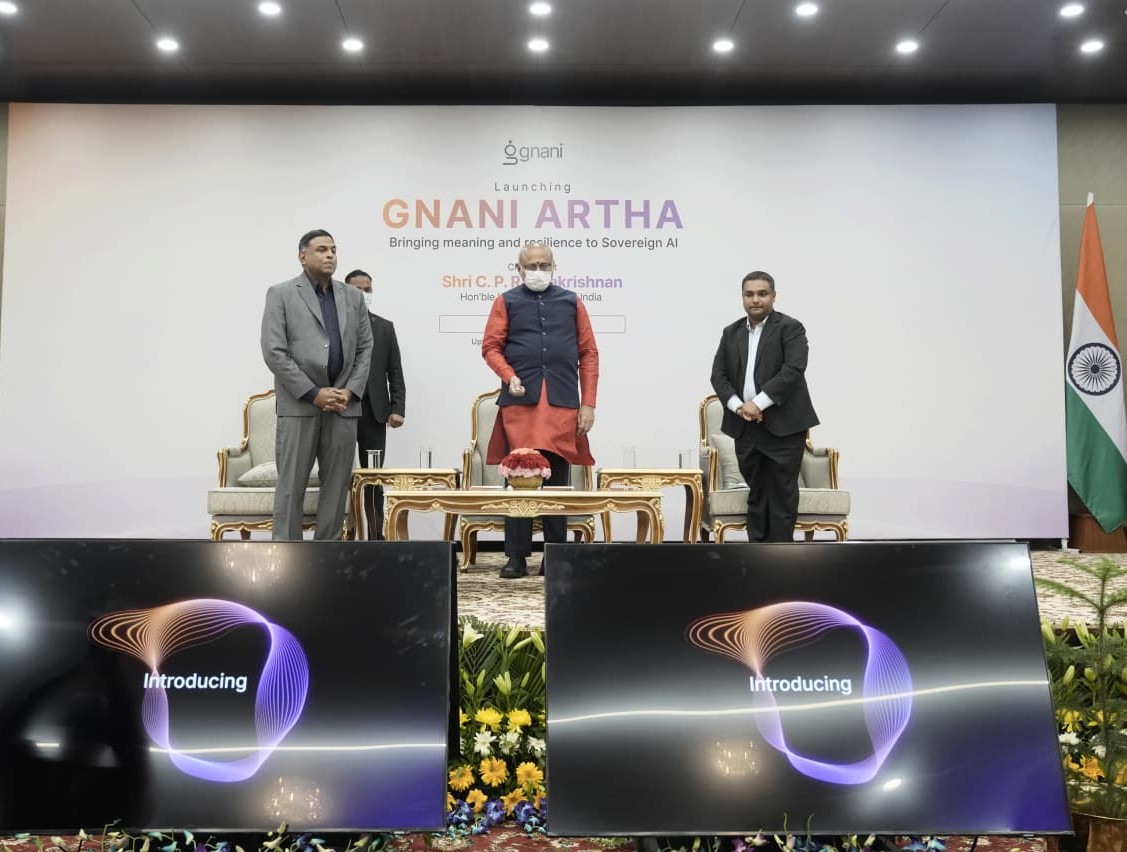
On August 28, 2026, Vice President C.P. Radhakrishnan launched 'Gnani Artha', a sovereign AI stack developed by GNANI AI, comprising the Evon 3.3 large language model and the Plexus platform. At the event, he drew parallels between past fears of computers replacing jobs and current AI anxieties, arguing that technology historically creates more opportunities than it displaces. He emphasized India's need to move from being a consumer to a creator of technology, highlighting initiatives like the IndiaAI Mission and the Digital Sansad portal. The launch signals a strategic push for indigenous AI capabilities, with implications for the country's technology workforce and global positioning. Key signal: India's Vice President launched 'Gnani Artha', a sovereign AI stack with LLM Evon 3.3 and platform Plexus, asserting AI will create new employment avenues. For hiring leaders, this signals a policy-level endorsement of AI as a job creator, not a threat. The launch of a sovereign AI stack indicates government-backed investment in indigenous AI, which could spur demand for AI engineers, researchers, and platform developers. It also reinforces the narrative that AI skills are strategic, potentially accelerating upskilling initiatives and shaping talent strategies. The emphasis on self-reliance may lead to more domestic AI projects, creating new roles in LLM development, AI infrastructure, and applied AI, while also influencing how companies position AI hiring in India. Teksands view: This is a political launch, but the hiring signal is real: India is investing in sovereign AI, which will drive demand for AI engineers, researchers, and platform developers. The VP's historical analogy is convenient, but the reality is that AI will reshape jobs, not just create them. For hiring leaders, the takeaway is to prepare for a shift towards AI-augmented roles and invest in upskilling. The government's push for self-reliance could also lead to more domestic AI projects, creating new opportunities in the public and private sectors.
Key fact
India's Vice President launched 'Gnani Artha', a sovereign AI stack with LLM Evon 3.3 and platform Plexus, asserting AI will create new employment avenues.
Why it matters
For hiring leaders, this signals a policy-level endorsement of AI as a job creator, not a threat. The launch of a sovereign AI stack indicates government-backed investment in indigenous AI, which could spur demand for AI engineers, researchers, and platform developers. It also reinforces the narrative that AI skills are strategic, potentially accelerating upskilling initiatives and shaping talent strategies. The emphasis on self-reliance may lead to more domestic AI projects, creating new roles in LLM development, AI infrastructure, and applied AI, while also influencing how companies position AI hiring in India.
The Teksands point of view
This is a political launch, but the hiring signal is real: India is investing in sovereign AI, which will drive demand for AI engineers, researchers, and platform developers. The VP's historical analogy is convenient, but the reality is that AI will reshape jobs, not just create them. For hiring leaders, the takeaway is to prepare for a shift towards AI-augmented roles and invest in upskilling. The government's push for self-reliance could also lead to more domestic AI projects, creating new opportunities in the public and private sectors.
Got a tech role that's refusing to close?
Send us the JD. We'll tell you whether the problem is talent supply, compensation, location, process - or the JD itself.