
Gates: Reserve Some Jobs for Humans
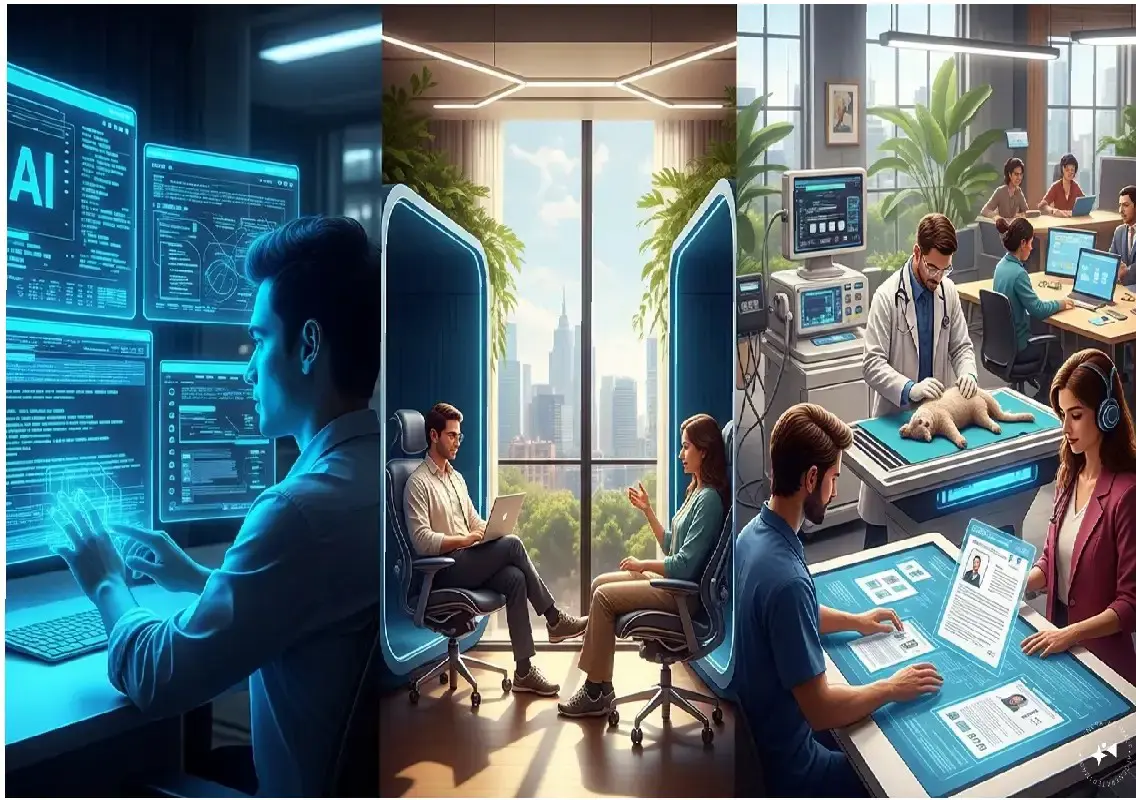
Bill Gates has published a 6,000-word essay warning of AI's threat to jobs and urging the creation of 'human-reserved' roles, particularly in caregiving, to protect jobs that require human empathy and connection. The essay, titled 'The Turbulent AI Era,' argues that while AI will transform many sectors, certain jobs should be reserved for humans to preserve societal well-being. This development is significant for hiring leaders as it signals a growing debate about AI's impact on the workforce and the potential for new categories of protected roles. Key signal: Bill Gates published a 6,000-word essay proposing 'human-reserved' jobs to protect caregiving roles from AI displacement. For hiring leaders, this matters because for CHROs and talent leaders, Gates' proposal signals a shift in how AI's impact on jobs is being framed. Instead of purely focusing on reskilling for AI, there is a growing conversation about which roles should remain human-centric. This could influence workforce planning, especially in sectors like healthcare and eldercare, where demand is rising. It also highlights the need for organizations to consider ethical AI deployment and the potential for 'human-reserved' roles as a differentiator in talent attraction and retention. Teksands view: Gates' essay is a thought experiment, but it has real implications. As AI automates more technical tasks, the value of uniquely human skills—empathy, judgment, care—will rise. Hiring leaders should start identifying roles where human touch is a competitive advantage and design career paths that emphasize these skills. Don't wait for regulation; proactive workforce planning that balances AI efficiency with human-centric roles will be a talent magnet.
Key fact
Bill Gates published a 6,000-word essay proposing 'human-reserved' jobs to protect caregiving roles from AI displacement.
Why it matters
For CHROs and talent leaders, Gates' proposal signals a shift in how AI's impact on jobs is being framed. Instead of purely focusing on reskilling for AI, there is a growing conversation about which roles should remain human-centric. This could influence workforce planning, especially in sectors like healthcare and eldercare, where demand is rising. It also highlights the need for organizations to consider ethical AI deployment and the potential for 'human-reserved' roles as a differentiator in talent attraction and retention.
The Teksands point of view
Gates' essay is a thought experiment, but it has real implications. As AI automates more technical tasks, the value of uniquely human skills—empathy, judgment, care—will rise. Hiring leaders should start identifying roles where human touch is a competitive advantage and design career paths that emphasize these skills. Don't wait for regulation; proactive workforce planning that balances AI efficiency with human-centric roles will be a talent magnet.
Got a tech role that's refusing to close?
Send us the JD. We'll tell you whether the problem is talent supply, compensation, location, process - or the JD itself.