
Flexible Office Leasing Up 68%: A Hiring Signal?
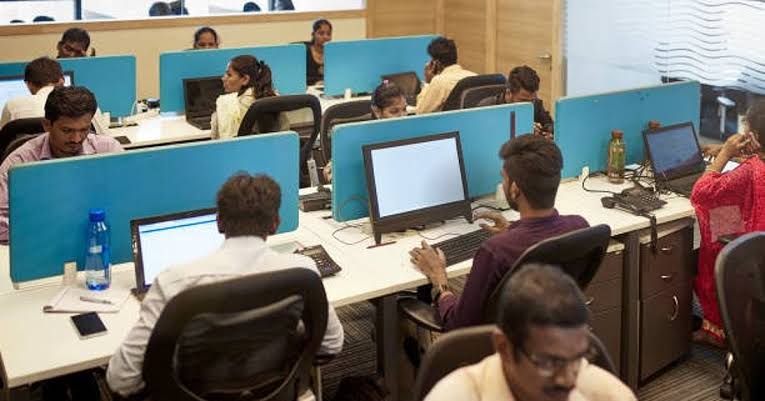
Flexible office leasing in India surged 68% in the first half of 2026, with Bengaluru emerging as a top market alongside Hyderabad and Mumbai. This growth reflects a structural shift in how companies manage office space, driven by the need to scale quickly in response to hiring patterns and project demands. For talent leaders, this signals a move away from long-term leases toward agile, managed workspaces that align with hybrid work models and fluctuating team sizes. The trend is particularly pronounced in tech hubs, where companies are balancing return-to-office mandates with flexibility. As flexible offices become a permanent fixture, they offer a strategic lever for managing real estate costs while supporting dynamic workforce planning. Key signal: Flexible workspace transactions in India rose 68% in H1 2026 compared to the same period last year, with Bengaluru, Hyderabad, and Mumbai leading demand. For hiring leaders, this matters because for CHROs and TA leaders, the rise of flexible offices is a direct indicator of how companies are adapting to hybrid work and variable hiring. The 68% jump in leasing suggests that employers are prioritizing agility over fixed footprints, which can influence talent attraction and retention strategies. In competitive markets like Bengaluru, offering flexible work environments may become a key differentiator. Additionally, this trend affects location strategy: as companies expand into tier-2 cities or new corridors, flexible offices enable faster market entry without long-term commitments. Understanding this shift helps leaders align real estate decisions with workforce planning, ensuring that office space supports rather than constrains talent acquisition and retention. Teksands view: The 68% surge in flexible office leasing is a clear signal that the 'office as a fixed asset' era is over. For hiring leaders, this is not just a real estate story—it's a talent strategy story. Flexible offices allow companies to scale teams up or down without the drag of long-term leases, which is critical in a market where hiring demand can shift rapidly. Bengaluru leading this trend is no surprise; it's the epicenter of tech hiring, and companies there are using flexible space to stay nimble. The takeaway: if your real estate strategy isn't as flexible as your hiring plan, you're building in friction. Smart leaders will use this data to rethink office footprints as a lever for talent acquisition, not just a cost center.
Key fact
Flexible workspace transactions in India rose 68% in H1 2026 compared to the same period last year, with Bengaluru, Hyderabad, and Mumbai leading demand.
Why it matters
For CHROs and TA leaders, the rise of flexible offices is a direct indicator of how companies are adapting to hybrid work and variable hiring. The 68% jump in leasing suggests that employers are prioritizing agility over fixed footprints, which can influence talent attraction and retention strategies. In competitive markets like Bengaluru, offering flexible work environments may become a key differentiator. Additionally, this trend affects location strategy: as companies expand into tier-2 cities or new corridors, flexible offices enable faster market entry without long-term commitments. Understanding this shift helps leaders align real estate decisions with workforce planning, ensuring that office space supports rather than constrains talent acquisition and retention.
The Teksands point of view
The 68% surge in flexible office leasing is a clear signal that the 'office as a fixed asset' era is over. For hiring leaders, this is not just a real estate story—it's a talent strategy story. Flexible offices allow companies to scale teams up or down without the drag of long-term leases, which is critical in a market where hiring demand can shift rapidly. Bengaluru leading this trend is no surprise; it's the epicenter of tech hiring, and companies there are using flexible space to stay nimble. The takeaway: if your real estate strategy isn't as flexible as your hiring plan, you're building in friction. Smart leaders will use this data to rethink office footprints as a lever for talent acquisition, not just a cost center.
Got a tech role that's refusing to close?
Send us the JD. We'll tell you whether the problem is talent supply, compensation, location, process - or the JD itself.