
DSCI partners with KLH to boost cybersecurity education
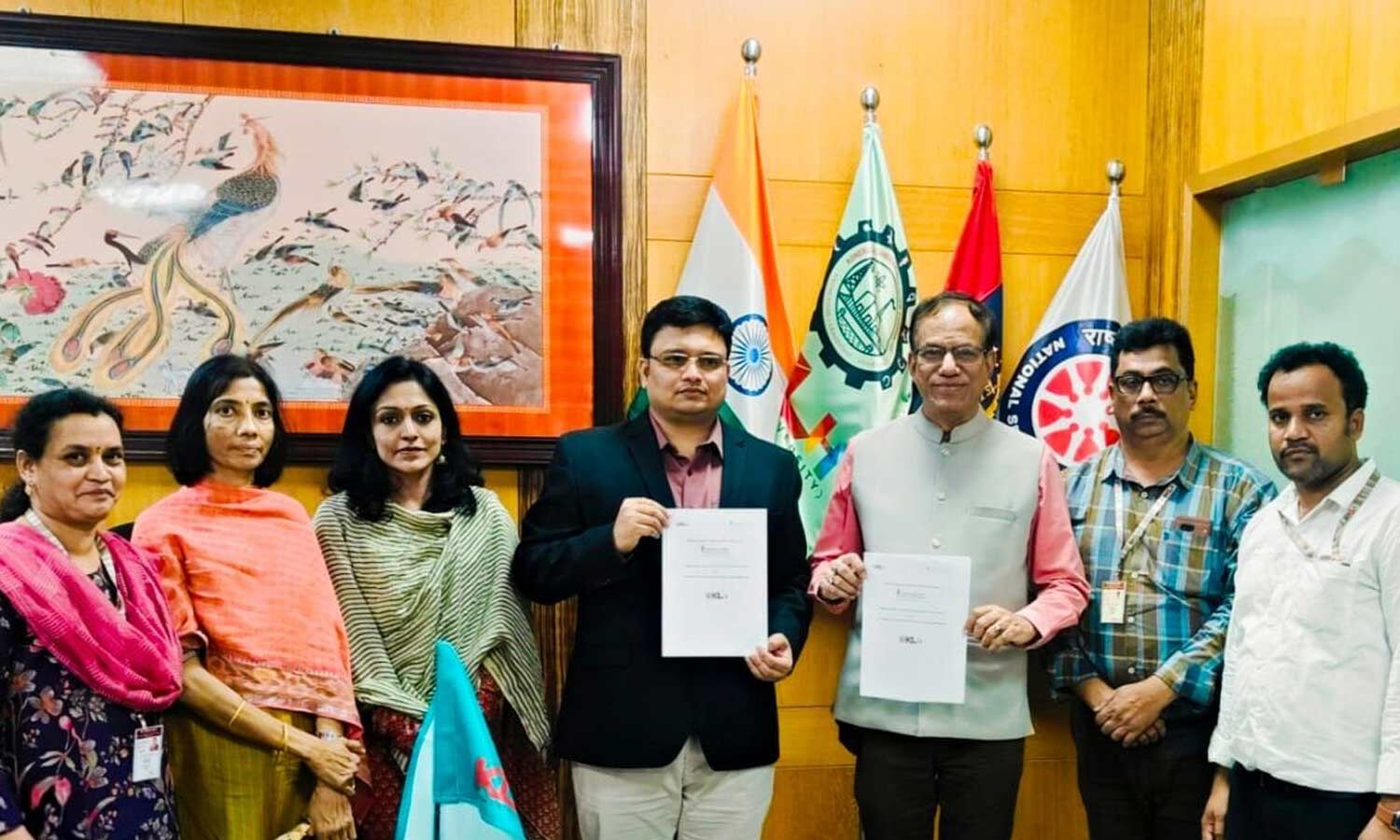
KLH Aziznagar Campus and the Data Security Council of India (DSCI) have signed an MoU to strengthen cybersecurity education and skill development. The collaboration, formalized on August 31, 2026, will focus on specialized training, expert talks, awareness programs, and industry-oriented activities to provide practical exposure to emerging cybersecurity practices. KL Deemed to be University Vice President Koneru Lakshman Havish emphasized that the partnership will help students move beyond theory, building strong technical capabilities and professional readiness for cybersecurity careers. This initiative reflects a growing trend of academic-industry partnerships to address the cybersecurity talent shortage in India. Key signal: KLH Aziznagar and DSCI signed an MoU on August 31, 2026, to enhance cybersecurity education and skill development in Hyderabad. For hiring leaders, this matters because for CHROs and TA leaders, this partnership signals a proactive approach to tackling the cybersecurity skills gap, which remains a critical hiring challenge. By aligning academic curricula with industry needs, such initiatives can create a pipeline of job-ready candidates, reducing the time and cost of training new hires. It also highlights the importance of collaboration between educational institutions and industry bodies like DSCI to ensure that talent development keeps pace with rapidly evolving cybersecurity threats. For GCCs and IT services firms in Hyderabad, this could mean a more qualified talent pool in the near future, potentially easing recruitment pressures in this domain. Teksands view: This MoU is a small but positive step toward addressing the cybersecurity skills shortage. For hiring leaders, it's a signal to invest in similar partnerships rather than relying solely on external hiring. The real value will come from industry-aligned curricula that produce job-ready candidates. Watch for measurable outcomes like placement rates and skill assessments.
Key fact
KLH Aziznagar and DSCI signed an MoU on August 31, 2026, to enhance cybersecurity education and skill development in Hyderabad.
Why it matters
For CHROs and TA leaders, this partnership signals a proactive approach to tackling the cybersecurity skills gap, which remains a critical hiring challenge. By aligning academic curricula with industry needs, such initiatives can create a pipeline of job-ready candidates, reducing the time and cost of training new hires. It also highlights the importance of collaboration between educational institutions and industry bodies like DSCI to ensure that talent development keeps pace with rapidly evolving cybersecurity threats. For GCCs and IT services firms in Hyderabad, this could mean a more qualified talent pool in the near future, potentially easing recruitment pressures in this domain.
The Teksands point of view
This MoU is a small but positive step toward addressing the cybersecurity skills shortage. For hiring leaders, it's a signal to invest in similar partnerships rather than relying solely on external hiring. The real value will come from industry-aligned curricula that produce job-ready candidates. Watch for measurable outcomes like placement rates and skill assessments.
Got a tech role that's refusing to close?
Send us the JD. We'll tell you whether the problem is talent supply, compensation, location, process - or the JD itself.