
Auto Skilling Shift: EVs and AI Force Strategic Reskilling
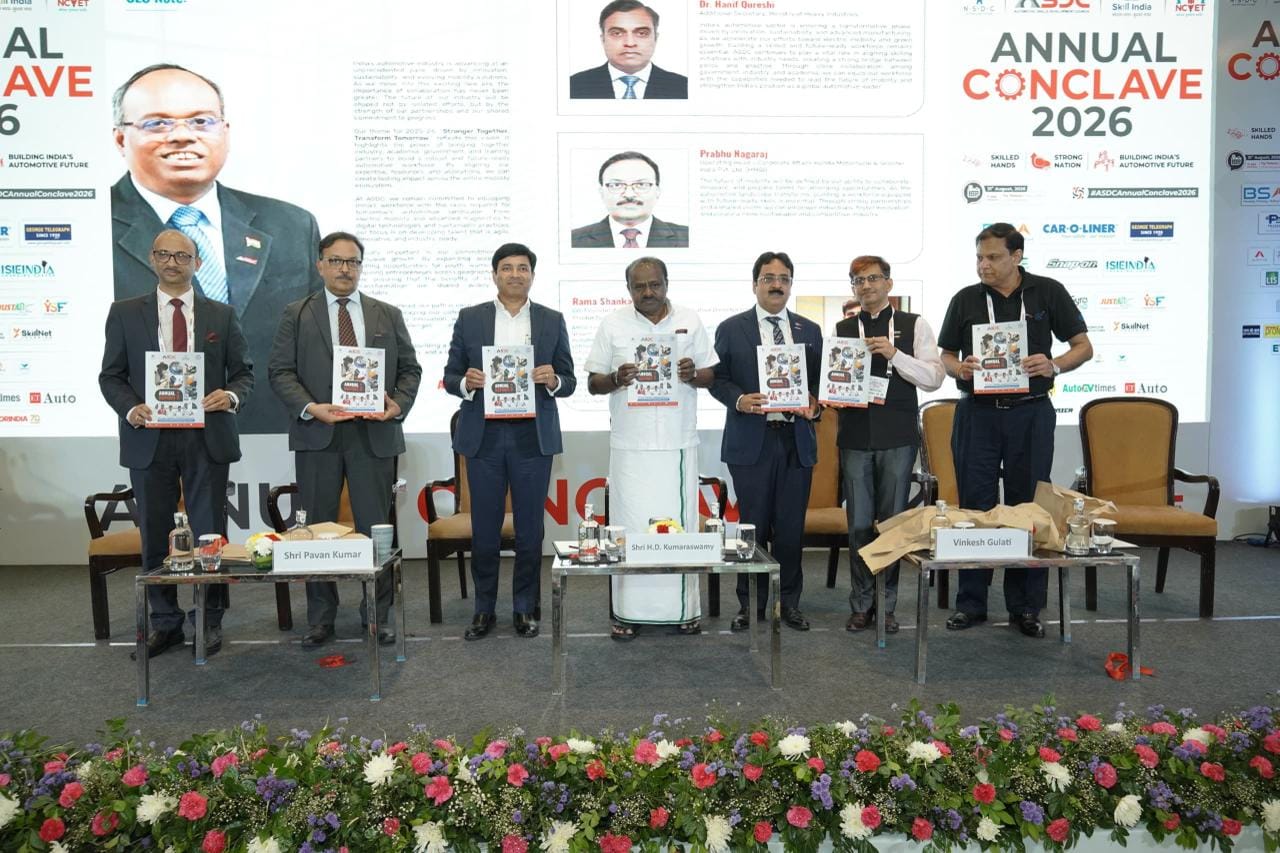
At the ASDC Annual Conclave 2026, industry leaders emphasized that India's automotive workforce must undergo rapid reskilling as EVs, AI, and software-defined vehicles reshape job roles. Skilling can no longer be a one-time training exercise but must become a strategic priority integrated into business operations. The curriculum needs to include emerging technologies, and there is a push for modular programs that allow current workers to upskill without leaving jobs. NSDC is seeking industry collaboration to modernize 1,000 ITIs and has partnered with 15 IITs/IIMs to offer recognized certifications for existing employees. The focus is shifting from training numbers to employment outcomes, productivity, and career progression. Key signal: ASDC and NSDC are pushing for modular, outcome-based skilling programs as EVs and AI transform automotive roles, with NSDC partnering with 15 IITs/IIMs for upskilling. For hiring leaders, this signals a major shift in talent requirements across the automotive ecosystem, affecting not just new hires but the existing workforce. As vehicles become software-defined, the demand for hybrid skills—mechanical plus digital—will surge. Companies must rethink their talent strategies, moving from hiring for current roles to building continuous learning pipelines. The NSDC's collaboration with IITs/IIMs offers a model for upskilling mid-career professionals, which could be replicated in other sectors. This also highlights the growing importance of certifications and outcome-based training, which will influence how companies assess candidate readiness and invest in employee development. Teksands view: The automotive industry's pivot to software-defined vehicles is a clear signal for tech recruiters: the demand for hybrid roles combining mechanical and digital skills will explode. This isn't just about hiring new talent; it's about reskilling the existing workforce. Companies that ignore this will face severe skill shortages. The NSDC's move to partner with IITs/IIMs is a smart play—it creates a formal pathway for upskilling that can be benchmarked. For hiring leaders, this means looking beyond traditional degrees and valuing certifications and practical skills. The future belongs to those who invest in continuous learning.
Key fact
ASDC and NSDC are pushing for modular, outcome-based skilling programs as EVs and AI transform automotive roles, with NSDC partnering with 15 IITs/IIMs for upskilling.
Why it matters
For hiring leaders, this signals a major shift in talent requirements across the automotive ecosystem, affecting not just new hires but the existing workforce. As vehicles become software-defined, the demand for hybrid skills—mechanical plus digital—will surge. Companies must rethink their talent strategies, moving from hiring for current roles to building continuous learning pipelines. The NSDC's collaboration with IITs/IIMs offers a model for upskilling mid-career professionals, which could be replicated in other sectors. This also highlights the growing importance of certifications and outcome-based training, which will influence how companies assess candidate readiness and invest in employee development.
The Teksands point of view
The automotive industry's pivot to software-defined vehicles is a clear signal for tech recruiters: the demand for hybrid roles combining mechanical and digital skills will explode. This isn't just about hiring new talent; it's about reskilling the existing workforce. Companies that ignore this will face severe skill shortages. The NSDC's move to partner with IITs/IIMs is a smart play—it creates a formal pathway for upskilling that can be benchmarked. For hiring leaders, this means looking beyond traditional degrees and valuing certifications and practical skills. The future belongs to those who invest in continuous learning.
Got a tech role that's refusing to close?
Send us the JD. We'll tell you whether the problem is talent supply, compensation, location, process - or the JD itself.