

81% of Indian Workers Plan Pay Raise Demands
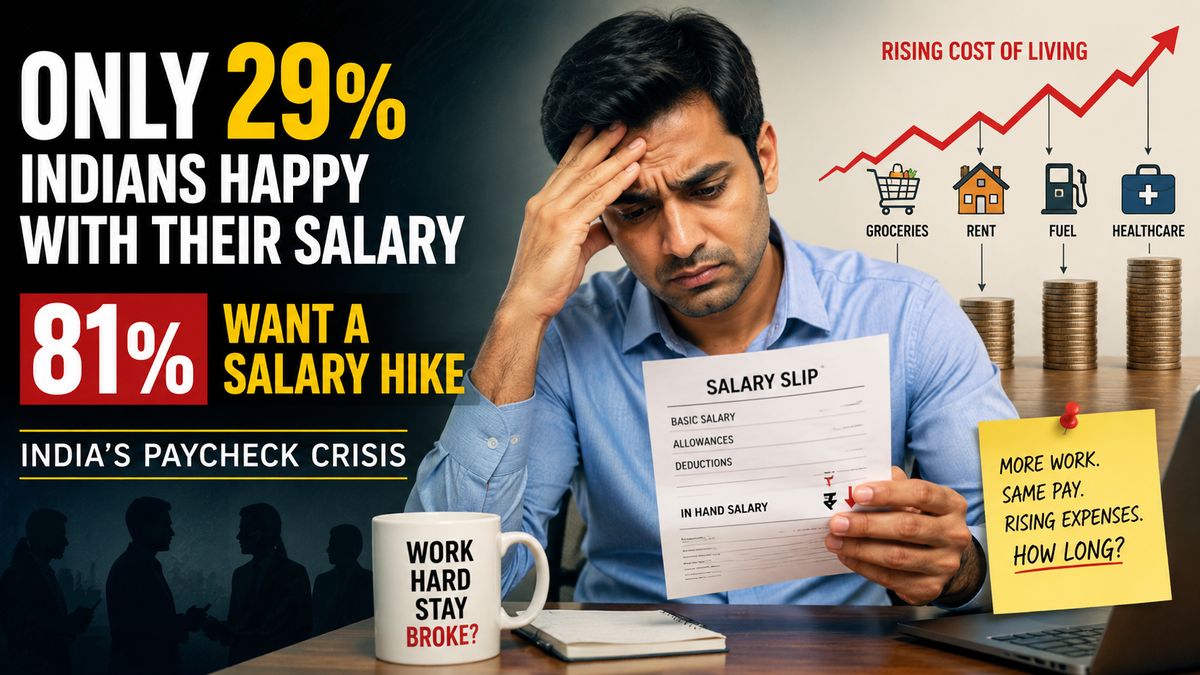
A recent ACCA survey reveals a significant disconnect between Indian employees' salary expectations and their current compensation. Only 29% of Indian workers are satisfied with their pay, well below the global average of 36%. In response, 81% plan to request a raise within the next year, a sharp increase from 67% in 2025 and far above the global average of 62%. The survey also highlights that 68% of Indian respondents expect hikes exceeding 10%, compared to 37% globally. Millennials are the most assertive, with 90% planning to negotiate, while Gen X seeks the largest increases. Cost of living pressures and fears of technology replacing jobs are driving these demands, making compensation a critical retention issue for employers. Key signal: 81% of Indian employees plan to ask for a pay raise in the next 12 months, up from 67% in 2025, while only 29% are satisfied with their current salary. For hiring leaders, this matters because for CHROs and TA leaders, this survey signals a looming compensation crunch. With 81% of employees planning to ask for raises, organizations must prepare for heightened salary negotiations and potential attrition if demands are not met. The low satisfaction rate (29%) compared to global peers suggests Indian talent feels undervalued, increasing the risk of poaching by competitors. The data also indicates that employees are not just asking for modest adjustments but expect double-digit hikes, which could strain budgets. Proactive strategies—such as transparent pay bands, non-monetary benefits, and career development—will be essential to retain top talent without triggering unsustainable cost increases. Teksands view: This survey is a wake-up call for employers. The 81% figure is not just a number; it's a forecast of attrition risk. If you're not already planning for a wave of salary negotiations, you're behind. The data also shows that employees are more confident than ever in asking for raises, likely fueled by a competitive job market. Smart companies will use this as an opportunity to review their compensation philosophy, ensure they are paying at market rates, and communicate total rewards clearly. Ignoring this could lead to a costly talent drain, especially among Millennials who are most likely to push for higher pay.
Key fact
81% of Indian employees plan to ask for a pay raise in the next 12 months, up from 67% in 2025, while only 29% are satisfied with their current salary.
Why it matters
For CHROs and TA leaders, this survey signals a looming compensation crunch. With 81% of employees planning to ask for raises, organizations must prepare for heightened salary negotiations and potential attrition if demands are not met. The low satisfaction rate (29%) compared to global peers suggests Indian talent feels undervalued, increasing the risk of poaching by competitors. The data also indicates that employees are not just asking for modest adjustments but expect double-digit hikes, which could strain budgets. Proactive strategies—such as transparent pay bands, non-monetary benefits, and career development—will be essential to retain top talent without triggering unsustainable cost increases.
The Teksands point of view
This survey is a wake-up call for employers. The 81% figure is not just a number; it's a forecast of attrition risk. If you're not already planning for a wave of salary negotiations, you're behind. The data also shows that employees are more confident than ever in asking for raises, likely fueled by a competitive job market. Smart companies will use this as an opportunity to review their compensation philosophy, ensure they are paying at market rates, and communicate total rewards clearly. Ignoring this could lead to a costly talent drain, especially among Millennials who are most likely to push for higher pay.
Got a tech role that's refusing to close?
Send us the JD. We'll tell you whether the problem is talent supply, compensation, location, process - or the JD itself.