
Nilekani Rejects AI Jobs Apocalypse Narrative
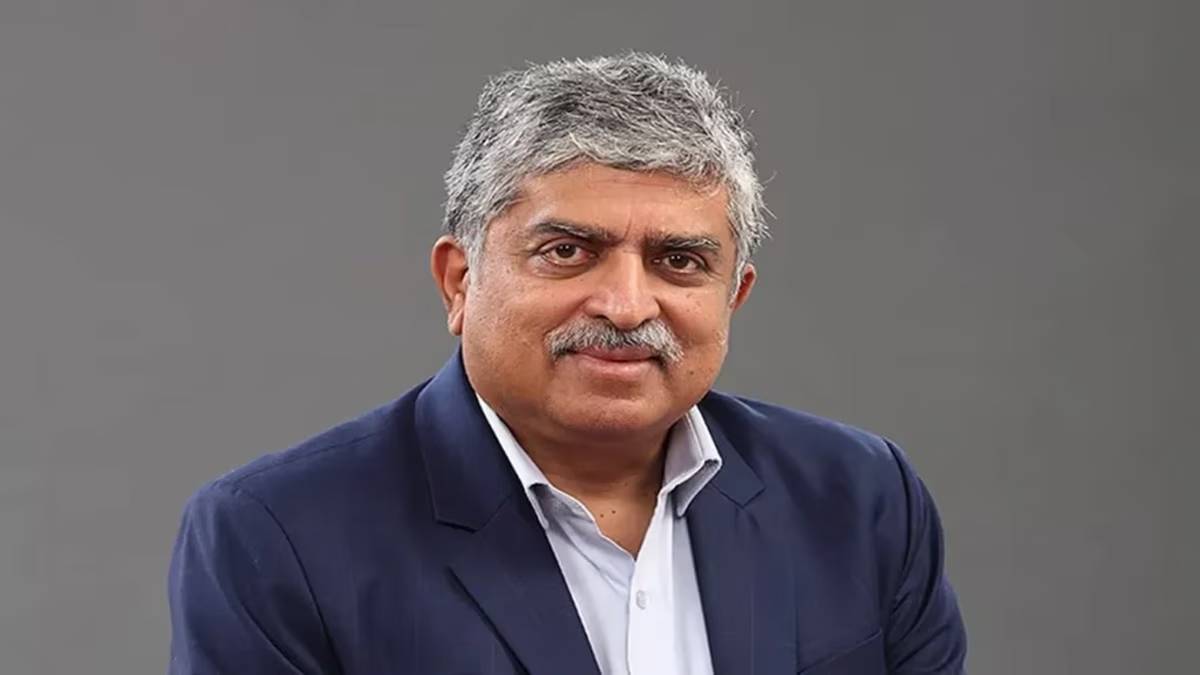
Nandan Nilekani, co-founder and chairman of Infosys, pushed back on the 'AI jobs apocalypse' narrative, arguing that artificial intelligence will transform technology work rather than eliminate it at scale. His comments come as India's IT services and GCC sectors grapple with slowing headcount growth, rising AI skill premiums, and a shift in hiring from volume to specialisation. Nilekani's stance is notable because it contradicts the more alarmist forecasts circulating among analysts and some industry leaders. For hiring leaders, the signal is less about whether AI destroys jobs and more about which roles get repriced, which get redeployed, and where demand concentrates. Key signal: Nandan Nilekani publicly rejected the narrative that AI will cause mass job losses in India's technology sector, arguing it will reshape rather than eliminate roles. For hiring leaders, this matters because for CHROs and TA leaders, Nilekani's intervention matters because it shapes the narrative that boards and clients use to justify hiring decisions. If AI is framed as augmentation rather than replacement, the pressure shifts from headcount cuts to reskilling and role redesign. That has direct implications for workforce planning, campus hiring, and how IT services firms price AI talent. It also affects candidate sentiment: if leaders signal continuity, attrition risk in AI-adjacent roles may ease. But the gap between public optimism and internal restructuring is where the real hiring intelligence sits. Teksands view: Nilekani's optimism is a useful counterweight to AI doom, but it shouldn't be read as a hiring green light. The real signal is in the mix: AI-native roles are growing, generic engineering is flattening, and reskilling is becoming a board-level metric. TA leaders should treat this as a prompt to audit role-level demand, not as reassurance that nothing changes.
Key fact
Nandan Nilekani publicly rejected the narrative that AI will cause mass job losses in India's technology sector, arguing it will reshape rather than eliminate roles.
Why it matters
For CHROs and TA leaders, Nilekani's intervention matters because it shapes the narrative that boards and clients use to justify hiring decisions. If AI is framed as augmentation rather than replacement, the pressure shifts from headcount cuts to reskilling and role redesign. That has direct implications for workforce planning, campus hiring, and how IT services firms price AI talent. It also affects candidate sentiment: if leaders signal continuity, attrition risk in AI-adjacent roles may ease. But the gap between public optimism and internal restructuring is where the real hiring intelligence sits.
The Teksands point of view
Nilekani's optimism is a useful counterweight to AI doom, but it shouldn't be read as a hiring green light. The real signal is in the mix: AI-native roles are growing, generic engineering is flattening, and reskilling is becoming a board-level metric. TA leaders should treat this as a prompt to audit role-level demand, not as reassurance that nothing changes.
Got a tech role that's refusing to close?
Send us the JD. We'll tell you whether the problem is talent supply, compensation, location, process - or the JD itself.